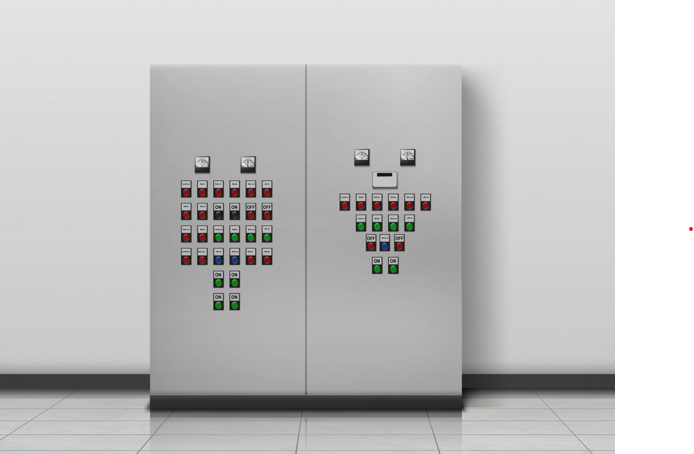

Industrial environments place enormous pressure on electrical infrastructure. Facilities involved in mining, oil and gas, manufacturing, chemical processing, marine operations, and power generation often operate under extreme conditions where dust, moisture, chemicals, vibration, and temperature fluctuations can quickly damage exposed electrical systems. To maintain safe and uninterrupted operations, industries increasingly rely on sealed electrical systems designed to withstand these demanding environments.
One of the most reliable technologies used in modern industrial power distribution is gas insulated switchgear. These sealed systems are engineered to protect critical electrical components from contamination and environmental exposure while delivering consistent performance in challenging industrial settings. Their compact structure, high reliability, and resistance to harsh operating conditions make them an essential part of industrial infrastructure worldwide.
Understanding Sealed Electrical Systems
Sealed electrical systems are enclosed power distribution and control systems designed to prevent external contaminants from reaching sensitive electrical components. Unlike open or air insulated systems, sealed systems use protective enclosures and insulation technologies to isolate internal equipment from the surrounding environment.
These systems are commonly used in industries where exposure to contaminants can lead to:
- Equipment failure
- Electrical faults
- Corrosion
- Safety hazards
- Increased maintenance requirements
Sealed electrical systems may include switchgear, transformers, control panels, circuit breakers, and electrical cabinets specifically engineered for industrial durability.
See also: Technology Driving Interplanetary Ambitions
Why Harsh Industrial Environments Require Better Protection
Industrial facilities are often exposed to conditions that standard electrical systems cannot tolerate for long periods. Even minor contamination can significantly reduce electrical reliability and create safety risks.
Common Environmental Challenges
Dust and Particulate Matter
Mining facilities, cement plants, and manufacturing sites generate large amounts of dust that can accumulate inside electrical equipment. Conductive dust particles may create short circuits or insulation breakdown.
Moisture and Humidity
Water exposure from rain, humidity, washdowns, or condensation can damage insulation and increase the risk of electrical failure.
Corrosive Chemicals
Chemical processing facilities and marine environments expose equipment to corrosive substances that deteriorate metal components over time.
Temperature Extremes
Industrial operations often experience very high or very low temperatures that affect equipment efficiency and lifespan.
Mechanical Vibration
Heavy machinery and industrial processes generate continuous vibration that can loosen electrical connections and weaken components.
Sealed electrical systems are specifically developed to resist these environmental threats while maintaining stable performance.
Enhanced Protection Against Contamination
One of the most important advantages of sealed electrical systems is their ability to block contaminants from entering critical components.
In open electrical systems, dust, dirt, moisture, and chemicals can accumulate over time, leading to insulation failure and operational instability. Sealed enclosures create a controlled internal environment that minimizes contamination risks.
Benefits of Contamination Protection
- Reduced risk of short circuits
- Better insulation performance
- Lower likelihood of arc faults
- Improved system reliability
- Extended equipment life
This level of protection is particularly valuable in industries where airborne particles and moisture are unavoidable.
Improved Operational Reliability
Reliability is a major concern in industrial facilities where unexpected downtime can result in production losses, safety incidents, and expensive repairs.
Sealed electrical systems provide stable and consistent performance because sensitive components remain protected from external environmental conditions. Since contaminants are kept out, the likelihood of equipment failure decreases significantly.
How Reliability Improves Industrial Operations
Fewer Interruptions
Protected systems experience fewer breakdowns caused by contamination or environmental exposure.
Stable Electrical Performance
Insulation remains effective for longer periods, supporting consistent power distribution.
Lower Failure Rates
Components inside sealed systems are less vulnerable to corrosion and deterioration.
Better Process Continuity
Industrial operations can continue without frequent power disruptions or maintenance shutdowns.
Reliable electrical infrastructure is essential in facilities where even short interruptions can disrupt entire production lines.
Increased Safety in Hazardous Environments
Safety is a critical priority in industrial power systems. Harsh environments increase the risk of electrical accidents due to exposure to moisture, contaminants, and equipment degradation.
Sealed electrical systems help reduce these risks by isolating live components and preventing external contaminants from causing dangerous faults.
Safety Advantages of Sealed Systems
Reduced Arc Flash Risk
Enclosed designs limit exposure to energized components and reduce the chances of arc flash incidents.
Protection Against Electrical Shock
Sealed enclosures prevent accidental contact with live parts.
Fire Prevention
Contamination and insulation failure are common causes of electrical fires. Sealed systems reduce these hazards.
Safer Maintenance Conditions
Workers are less exposed to hazardous internal components during inspections and servicing.
In industries such as oil and gas or chemical processing, where hazardous materials may already be present, improving electrical safety is especially important.
Lower Maintenance Requirements
Traditional electrical systems installed in harsh industrial environments often require constant cleaning, inspection, and repair. Dust accumulation, moisture intrusion, and corrosion can quickly create maintenance challenges.
Sealed electrical systems reduce these issues because internal components remain isolated from environmental exposure.
Maintenance Benefits
- Less frequent cleaning
- Reduced corrosion control requirements
- Lower inspection frequency
- Fewer emergency repairs
- Longer intervals between servicing
This reduction in maintenance activity helps industrial facilities lower labor costs and minimize operational disruptions.
Longer Equipment Lifespan
Environmental exposure is one of the leading causes of premature electrical equipment failure. Corrosion, contamination, and thermal stress gradually weaken electrical components and shorten operational lifespan.
Sealed systems provide a controlled internal environment that protects equipment from these damaging conditions.
Explore Meta Power Solutions, the leading manufacturer of transformers and switch boards.
Factors That Extend Equipment Life
Reduced Corrosion
Metal components remain protected from moisture and chemicals.
Stable Internal Conditions
Internal temperatures and insulation properties remain more consistent.
Less Mechanical Wear
Protected components are less exposed to environmental stress.
Reduced Contamination Damage
Sensitive electrical parts remain cleaner and more stable over time.
A longer lifespan allows industrial facilities to delay replacement investments and maximize the value of their infrastructure.
Better Performance in Extreme Weather Conditions
Outdoor industrial installations face additional challenges from rain, snow, wind, heat, and humidity. Electrical systems operating in these environments must maintain performance despite constant weather exposure.
Sealed electrical systems are designed to function reliably in a wide range of environmental conditions.
Weather Resistance Advantages
- Protection from water intrusion
- Resistance to humidity and condensation
- Stable operation during temperature fluctuations
- Better durability during storms and outdoor exposure
Industries operating in coastal areas, deserts, or cold climates especially benefit from sealed electrical technologies.
Space Saving Design Advantages
Modern industrial facilities often have limited installation space, especially in urban locations or retrofit projects. Sealed electrical systems are frequently designed with compact structures that require less physical space than traditional air insulated alternatives.
Compact designs offer several advantages:
- Easier installation in confined areas
- Reduced building space requirements
- Improved equipment layout flexibility
- Better use of available infrastructure space
This is particularly beneficial for substations and facilities where maximizing operational space is important.
Resistance to Corrosive Industrial Conditions
Some industrial sectors expose electrical systems to highly corrosive environments. Marine facilities, wastewater treatment plants, chemical factories, and offshore platforms are examples where corrosion can quickly damage exposed equipment.
Sealed systems provide strong resistance against corrosive conditions by limiting direct exposure to harmful substances.
Corrosion Resistant Features
Enclosed Metal Structures
Protective coatings and sealed compartments prevent chemical exposure.
Moisture Isolation
Reduced water penetration minimizes rust formation.
Controlled Internal Atmosphere
Sensitive components remain shielded from airborne chemicals and salt.
By resisting corrosion, sealed systems maintain reliability even in aggressive industrial environments.
Improved Energy Efficiency
Electrical efficiency is another important consideration in industrial operations. Poor insulation and equipment degradation can increase energy losses over time.
Sealed electrical systems help maintain insulation quality and stable operating conditions, contributing to more efficient power distribution.
Efficiency Related Benefits
- Lower electrical losses
- Stable insulation performance
- Reduced heat generation
- Improved system consistency
While efficiency improvements may vary depending on system design, maintaining optimal electrical performance helps industrial facilities reduce unnecessary energy waste.
Support for Critical Infrastructure
Certain industries cannot tolerate power interruptions due to safety, operational, or financial consequences. Facilities such as hospitals, data centers, transportation systems, and industrial manufacturing plants depend heavily on uninterrupted electrical performance.
Sealed electrical systems support critical infrastructure by providing dependable and durable operation under difficult conditions.
Industries That Commonly Use Sealed Systems
- Oil and gas facilities
- Mining operations
- Chemical plants
- Marine and offshore platforms
- Renewable energy facilities
- Heavy manufacturing plants
- Utility substations
- Transportation infrastructure
In these environments, electrical reliability directly impacts operational stability and worker safety.
Environmental Considerations in Modern Electrical Systems
Industrial companies are increasingly focused on sustainability and environmental responsibility. Modern sealed electrical systems are often designed with improved environmental performance in mind.
Manufacturers continue developing technologies that reduce maintenance waste, improve operational efficiency, and minimize environmental impact.
Sustainable Advantages
- Reduced replacement frequency
- Lower maintenance material consumption
- Improved energy efficiency
- Longer operational lifecycle
These factors contribute to more sustainable industrial infrastructure management over time.
Future Trends in Sealed Electrical Technology
As industries continue modernizing their operations, sealed electrical systems are evolving to support smarter and more efficient infrastructure.
Emerging Trends Include
Digital Monitoring
Advanced sensors allow operators to monitor system conditions in real time.
Predictive Maintenance
Data analysis helps identify potential issues before failures occur.
Compact Smart Systems
Manufacturers continue developing smaller and more intelligent equipment designs.
Enhanced Safety Features
New technologies further improve fault detection and operational protection.
The growing demand for reliable industrial power systems will likely continue driving innovation in sealed electrical technologies.
Conclusion
Harsh industrial environments present serious challenges for electrical infrastructure. Dust, moisture, chemicals, vibration, and extreme temperatures can quickly damage traditional electrical equipment and increase the risk of failure. Sealed electrical systems provide a dependable solution by protecting sensitive components from environmental exposure and supporting long term operational stability.
From improved safety and reduced maintenance to longer equipment lifespan and enhanced reliability, these systems offer substantial advantages for industrial facilities operating under demanding conditions. Their ability to maintain consistent performance in difficult environments makes them an important part of modern industrial power distribution strategies.
As industries continue prioritizing reliability, efficiency, and safety, sealed electrical systems will remain a critical technology for supporting industrial operations across a wide range of sectors.


 By
By
 By
By