
Introduction
Data centers serve as the backbone of modern digital operations, supporting everything from cloud computing and enterprise applications to data storage and network management. These facilities house highly sensitive electronic equipment that must operate continuously under carefully controlled environmental conditions. While temperature and humidity management often receive significant attention, air quality plays an equally important role in maintaining reliable performance.
Airborne contaminants can enter a data center through ventilation systems, outdoor air intake, construction activities, and everyday facility operations. Dust, chemical pollutants, and microscopic particles can accumulate on electronic components and negatively impact system performance over time. Implementing effective air filtration solutions helps reduce these risks and supports the long-term reliability of critical infrastructure.
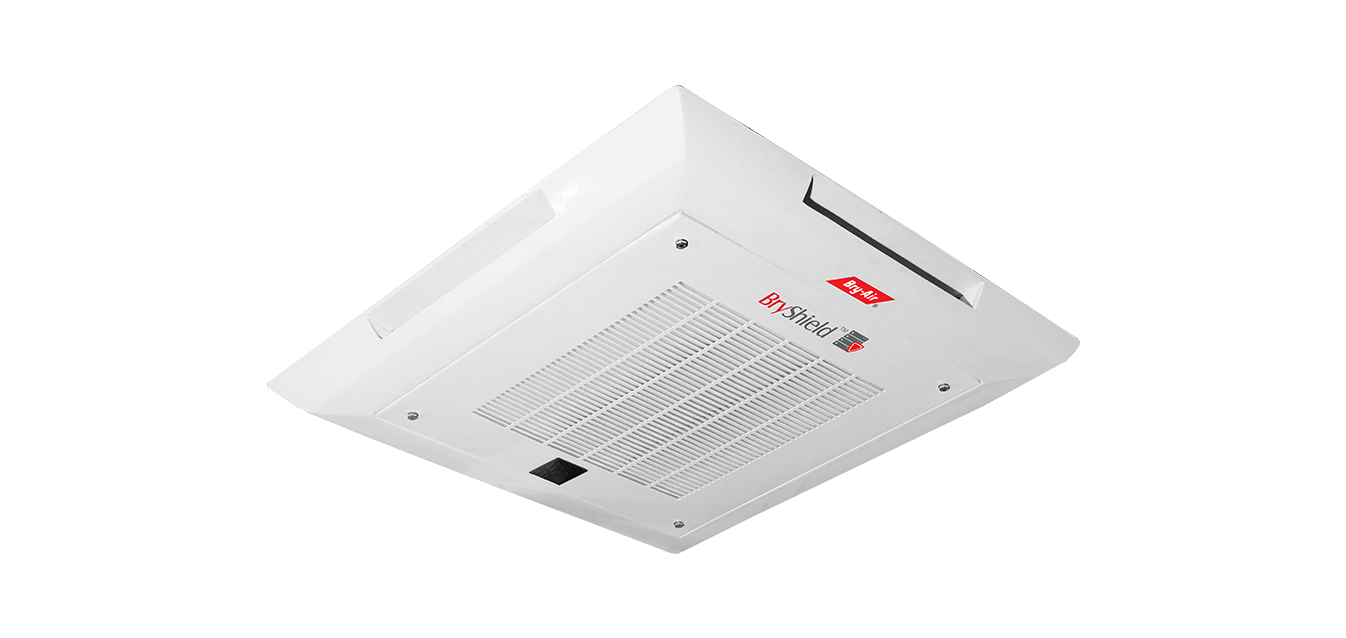
One of the most effective solutions for maintaining clean air in mission critical environments is the use of a specialized Honeycomb Air Filter. These advanced filtration systems are designed to capture airborne contaminants and help create a cleaner environment for sensitive electronic equipment.
Why Is Air Quality Important in Data Centers?
Data centers contain servers, storage devices, networking equipment, and power management systems that rely on clean operating conditions. Even small amounts of contamination can affect performance and increase maintenance requirements.
Airborne particles can settle on circuit boards, cooling systems, and electrical connections. Over time, contamination may contribute to overheating, corrosion, and reduced equipment efficiency.
Maintaining proper air quality helps organizations protect their infrastructure investments while supporting uninterrupted business operations.
Common Airborne Contaminants Found in Data Centers
Several contaminants can threaten data center environments, including:
- Dust and dirt particles
- Industrial emissions
- Chemical gases
- Construction debris
- Vehicle exhaust pollutants
- Volatile organic compounds
The concentration of these pollutants varies depending on facility location, surrounding activities, and building ventilation systems.
Risks Associated with Poor Air Quality
When contaminants enter a data center, they can create several operational challenges.
Potential risks include:
- Reduced cooling efficiency
- Increased equipment wear
- Corrosion of electronic components
- Unexpected hardware failures
- Higher maintenance costs
- Reduced equipment lifespan
These issues can compromise overall operational reliability and increase the total cost of ownership for critical infrastructure.
How Do Air Filters Protect Sensitive Equipment?
Air filters function as a protective barrier between the external environment and the equipment housed inside a data center.
As air moves through filtration systems, contaminants are captured before they can circulate throughout the facility. This process helps maintain cleaner air and reduces the likelihood of particles reaching sensitive electronic components.
Preventing Dust Accumulation
Dust accumulation is one of the most common threats to electronic equipment.
When dust settles on servers and cooling systems, airflow may become restricted. Reduced airflow can cause equipment temperatures to rise, potentially affecting performance and reliability.
High-quality filtration systems help remove airborne dust before it enters critical areas.
Reducing Chemical Contamination
In addition to particulate matter, gaseous contaminants can pose serious risks.
Certain airborne chemicals react with metal surfaces and electronic connections, potentially causing corrosion over time. Advanced filtration systems can help minimize exposure to these contaminants and support long-term equipment protection.
What Makes Advanced Air Filtration Different?
Not all air filters provide the same level of protection. Traditional filtration systems primarily focus on capturing larger particles, while advanced filtration technologies target a wider range of contaminants.
Data center environments often require specialized filtration solutions capable of addressing both particulate and gaseous pollutants.
Enhanced Filtration Efficiency
Advanced filters are engineered to capture microscopic contaminants that standard filters may miss.
This enhanced efficiency helps maintain cleaner airflow throughout the facility and reduces contamination-related risks.
Improved Environmental Stability
Consistent air quality contributes to a more stable operating environment.
When airborne contaminants are effectively controlled, equipment can function under cleaner conditions with fewer environmental disruptions.
Why Are Data Center Air Filters Essential for Modern Facilities?
As technology infrastructure becomes increasingly sophisticated, environmental protection requirements continue to grow. Organizations rely heavily on continuous system availability, making contamination control a critical operational priority.
Specialized Data Center Air Filters are designed specifically to address the unique challenges associated with mission critical environments. These filtration solutions help remove harmful contaminants before they can affect servers, networking hardware, and other sensitive systems.
By incorporating advanced filtration technologies, facilities can improve reliability, reduce maintenance requirements, and enhance overall operational efficiency.
Supporting Equipment Longevity
Electronic equipment represents a significant investment for most organizations.
Exposure to contaminants can accelerate wear and increase the likelihood of component failure. Effective filtration helps create cleaner operating conditions that support longer equipment lifespans.
Minimizing Operational Disruptions
Unexpected equipment failures can impact productivity, service delivery, and business continuity.
Reducing airborne contamination helps lower the risk of environment-related failures and supports more consistent system performance.
Key Considerations When Selecting Air Filtration Systems
Choosing the right filtration solution requires careful evaluation of several environmental and operational factors.
Facility Location
Facilities located near industrial zones, manufacturing plants, or heavily trafficked roads may face elevated contamination risks.
Understanding local environmental conditions helps determine the appropriate level of filtration protection.
Airflow Requirements
Filtration systems must be capable of supporting the facility’s airflow requirements without negatively affecting cooling performance.
Balancing filtration efficiency with airflow capacity is an important consideration during system selection.
Maintenance Planning
All filtration systems require periodic inspection and replacement to maintain effectiveness.
Developing a proactive maintenance strategy helps ensure consistent performance and environmental protection.
How Does Air Filtration Contribute to Energy Efficiency?
Air quality management can also support energy efficiency initiatives within data centers.
Clean cooling systems operate more effectively than systems affected by dust and contamination. When airflow remains unrestricted, cooling equipment can function at optimal performance levels.
This improved efficiency may help reduce energy consumption while supporting stable operating conditions.
Cleaner Cooling Infrastructure
Contaminants can accumulate on cooling coils, fans, and ventilation components.
Filtration helps reduce buildup and supports more efficient heat transfer throughout the cooling system.
Consistent Environmental Performance
Maintaining cleaner air contributes to more predictable environmental control and improved facility management.
Stable operating conditions support both equipment reliability and energy optimization efforts.
Future Trends in Data Center Air Quality Management
As data center infrastructure continues to expand, environmental protection technologies are becoming increasingly sophisticated.
Organizations are placing greater emphasis on contamination monitoring, predictive maintenance, and advanced filtration systems to support operational resilience.
Future air quality strategies are expected to focus on improving contaminant detection, enhancing filtration performance, and integrating environmental monitoring with facility management systems.
These developments will further strengthen efforts to protect critical infrastructure from airborne threats.
Conclusion
Air quality remains a critical factor in the performance, reliability, and longevity of data center equipment. Airborne particles and chemical contaminants can contribute to equipment degradation, reduced efficiency, and increased maintenance requirements when left unmanaged.
Advanced air filtration systems provide an effective defense against these risks by removing contaminants before they reach sensitive electronic components. Through proper filtration, organizations can create cleaner environments that support operational continuity, equipment protection, and long-term infrastructure performance.
For organizations seeking advanced contamination control solutions for mission critical environments, Bry-Air offers innovative air filtration technologies designed to help protect valuable data center assets and maintain superior air quality standards.


 By
By