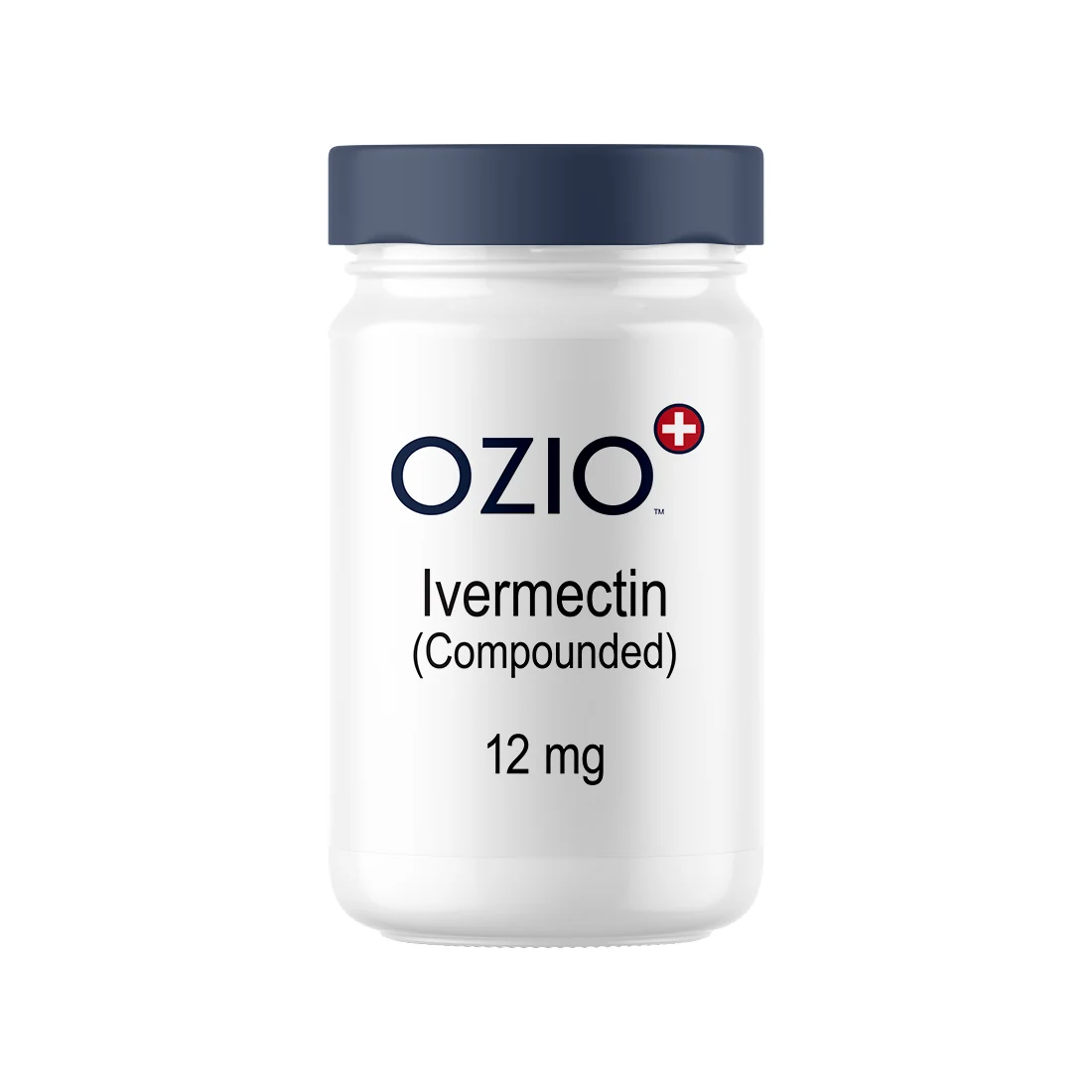

Ivermectin 12 mg tablets are oral antiparasitic medicines used in certain circumstances to treat infections caused by susceptible parasites. The number printed on the tablet packaging indicates its strength, not a universal dose suitable for every patient. Treatment depends on the diagnosed condition, body weight, clinical guidance, and the product’s approved instructions.
Like other medicines, ivermectin can cause side effects. Most reported reactions are manageable, but some patients may experience serious complications that require medical attention. Understanding these risks and the precautions associated with treatment can help patients use the medicine more safely. Before using ivermectin 12 mg tablets, patients should consult a qualified healthcare professional to understand the appropriate treatment, potential side effects, and necessary precautions.
What Does 12 mg Mean on an Ivermectin Tablet?
A 12 mg tablet contains 12 milligrams of ivermectin as its active ingredient. This measurement describes the amount of medicine in one tablet; it does not indicate how many tablets a person should take.
The required amount can vary considerably according to the infection being treated and the patient’s body weight. Some treatment plans involve a single administration, while others require additional doses or follow-up according to clinical guidance.
Patients should not assume that one 12 mg tablet is appropriate for every adult. Children and adults with different body weights may require different amounts, and some infections need specialist assessment before treatment.
The prescribed instructions should always take priority over general information found online.
Common Side Effects of Ivermectin
Many people tolerate prescribed ivermectin without serious problems. However, adverse effects can occur, and their nature may depend partly on the underlying infection.
Digestive Discomfort
Nausea, diarrhoea, abdominal discomfort, and vomiting are possible side effects. These symptoms may be mild, but persistent vomiting or diarrhoea can cause dehydration and may interfere with recovery.
Patients should contact a healthcare professional if digestive symptoms are severe, continue to worsen, or prevent them from keeping fluids down. They should not automatically take another dose after vomiting because the amount absorbed may be uncertain.
Dizziness and Fatigue
Some patients experience dizziness, weakness, or unusual tiredness after taking ivermectin. These effects can interfere with activities that require concentration and coordination.
Anyone who feels dizzy should avoid driving, operating machinery, or performing tasks where impaired balance could cause an injury. Severe dizziness, fainting, or difficulty walking warrants prompt medical assessment.
Itching and Skin Reactions
Itching, rash, and other skin symptoms can occur during treatment. In people receiving ivermectin for certain parasitic infections, these reactions may partly reflect the body’s response to dying parasites.
The cause cannot always be determined from symptoms alone. A new or worsening rash should be assessed, especially if it occurs with facial swelling, breathing difficulties, blistering, or widespread skin changes.
Serious Side Effects That Require Attention
Severe reactions are less common than mild side effects, but recognising warning signs is essential.
Neurological Symptoms
Ivermectin exposure above the prescribed amount can cause neurological toxicity. Warning signs may include confusion, unusual sleepiness, poor coordination, difficulty walking, changes in consciousness, and seizures.
Patients should seek urgent medical care if these symptoms develop. A suspected overdose requires immediate professional advice, even if symptoms have not appeared.
Severe Allergic Reactions
An allergic reaction may cause swelling of the lips, tongue, face, or throat, breathing difficulties, or sudden faintness. These symptoms may indicate anaphylaxis, a medical emergency.
Emergency services should be contacted immediately if severe allergic symptoms occur. Patients should not wait to see whether the reaction resolves on its own.
Serious Reactions Associated With Parasites
In certain infections, symptoms following treatment may result from the immune response to dying parasites. The severity depends on the parasite and the patient’s condition.
People with heavy Loa loa infections, which occur in certain regions of Central and West Africa, can develop serious neurological complications after ivermectin treatment. A relevant travel or residence history should be shared with the prescriber before treatment.
Precautions Before Taking Ivermectin 12 mg Tablets
A medical review helps identify circumstances that may affect treatment safety.
Confirm the Diagnosis
Ivermectin treats particular parasitic infections rather than all causes of itching, digestive symptoms, or skin irritation. A clinician may recommend testing to confirm the infection or assess the likelihood of exposure.
Taking the medicine without an appropriate indication can expose a patient to side effects while delaying effective treatment for the actual condition.
Discuss Existing Medical Conditions
Patients should disclose relevant medical conditions, previous drug reactions, and any history of neurological problems. Liver health may also be relevant when a clinician assesses the medicine’s suitability.
Pregnancy and breastfeeding require individual consideration. Patients should not start or discontinue a prescribed treatment during pregnancy without obtaining professional advice.
For children, the suitability of the formulation and the child’s weight must be considered. A 12 mg tablet should not be divided or used according to guesswork to create a smaller dose.
Review Other Medicines
Patients should provide a complete list of prescription medicines, non-prescription products, and supplements. This allows the prescriber or pharmacist to check for possible interactions and other safety concerns.
Patients should not stop a regular medicine simply because they plan to take ivermectin. Any necessary adjustment should be directed by a qualified healthcare professional.
Why the Prescribed Dose Must Be Followed
Ivermectin dosing is not determined by tablet strength alone. The appropriate regimen depends on the infection, body weight, formulation, and individual clinical circumstances.
Taking more than prescribed does not guarantee faster recovery. Excessive exposure can increase the risk of neurological and other serious adverse effects. Taking too little or using an unsuitable regimen may also lead to inadequate treatment.
Patients should not repeat a dose because symptoms remain, copy instructions given to another person, or combine different ivermectin products without medical advice. If a dose is missed or vomited, a pharmacist or prescriber can explain what to do.
What to Do if Side Effects Occur
Mild symptoms should be monitored, and patients should contact their healthcare professional if they persist or become troublesome. The clinician can assess whether the symptoms are related to ivermectin, the underlying infection, or another cause.
Severe allergic symptoms, seizures, confusion, marked drowsiness, or difficulty walking require urgent medical assessment. If an excessive amount has been taken, patients should contact a poison information service or emergency medical service promptly.
Keeping the medicine packaging available can help healthcare professionals identify the strength, formulation, and possible amount taken.
Using Ivermectin With Appropriate Care
Ivermectin 12 mg tablets can be useful for selected parasitic infections when prescribed appropriately. Safe use requires confirmation of the indication, clear dosing instructions, and awareness of potential adverse reactions.
Patients should report relevant medical conditions, travel history, and other medicines before treatment. Following professional guidance reduces avoidable risks and supports appropriate care throughout the treatment process.


 By