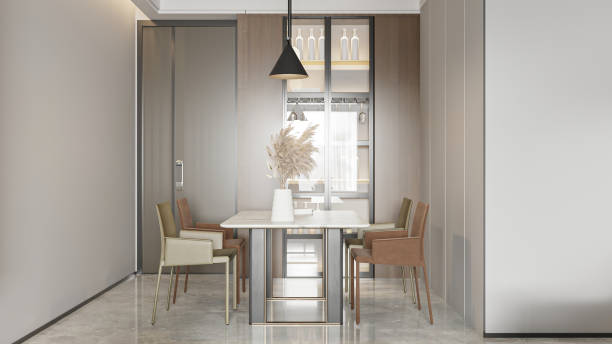

Understanding the Role of Architectural Detailing in Luxury Homes
Luxury homes are often recognized for their size, premium materials, and impressive amenities, but the true measure of quality lies in the details. Architectural detailing is what transforms a beautiful design into a cohesive and highly functional living environment. It involves carefully planning the features, finishes, transitions, and construction elements that define how a home looks and feels. While floor plans establish the framework of a residence, detailing creates the personality and character that make a home unique.
For high-end residential projects, architectural detailing is not simply an aesthetic consideration. It is a critical part of the design process that influences craftsmanship, functionality, durability, and long term value. Working with a professional luxury home detailing architect helps ensure that every aspect of a custom residence is thoughtfully designed and properly coordinated. From custom millwork and ceiling treatments to staircase design and material transitions, architectural details contribute to a more refined and timeless home.
What Makes Architectural Detailing Different From General Design?
Architectural detailing focuses on the specific elements that bring a design concept to life. While general architectural planning addresses layout, structure, and spatial relationships, detailing concentrates on how those spaces are finished and connected. This includes moldings, cabinetry, trim profiles, built-in features, flooring patterns, lighting integration, and numerous other components that influence the final appearance of a home.
The goal is to ensure that every feature supports the overall design vision while maintaining functionality. Effective detailing creates consistency throughout the property and helps avoid visual interruptions that can make a home feel disconnected or incomplete.
Why Homeowners Prioritize Detailed Design
Many homeowners investing in custom residences want a home that reflects their personal style while maintaining a high standard of quality. Architectural detailing provides the opportunity to achieve that balance. By focusing on craftsmanship and precision, architects can create spaces that feel distinctive without relying on temporary design trends.
How Architectural Details Enhance Functionality and Comfort
One of the most significant advantages of architectural detailing is its ability to improve daily living. While many people associate detailing with aesthetics, its practical benefits are equally important. Well-designed details can make spaces more efficient, organized, and comfortable while maintaining a clean and sophisticated appearance.
Thoughtful detailing allows architects to integrate storage solutions, optimize lighting, and create smoother transitions between rooms. These enhancements may appear subtle, but they contribute significantly to the overall experience of living in the home. A carefully detailed residence often feels more intuitive because every element has been designed with purpose.
Creating Better Flow Between Spaces
Luxury homes often contain a variety of living areas, each serving a different purpose. Architectural detailing helps connect these spaces by establishing visual continuity throughout the residence. Consistent materials, coordinated trim profiles, and balanced proportions create a sense of harmony that allows rooms to flow naturally into one another.
This continuity not only improves aesthetics but also enhances how occupants move through and interact with the home. Spaces feel more welcoming and cohesive when every detail supports the larger architectural vision.
Supporting Practical Everyday Living
Architectural detailing can also address practical concerns that improve functionality. Examples include:
- Integrated storage solutions that reduce clutter.
- Built-in cabinetry designed for specific household needs.
- Custom lighting features that enhance visibility and ambiance.
- Carefully planned transitions between interior spaces.
These details help create a home that is as functional as it is visually appealing.
The Importance of Custom Architectural Details in High-End Residential Projects
Luxury homes often require a level of customization that standard construction methods cannot provide. Every project has unique requirements, and architectural detailing allows those needs to be addressed through tailored design solutions. Rather than relying on generic components, architects can create features that complement the home’s style and support the homeowner’s goals.
Professional planning and execution of custom architectural details help ensure that every element contributes to the overall quality of the residence. Custom detailing also allows architects to incorporate unique design features while maintaining consistency throughout the project.
Architectural Features That Benefit From Custom Detailing
Certain elements of a luxury residence gain significant value from custom detailing because they serve both functional and aesthetic purposes.
- Custom millwork and decorative paneling.
- Staircases and railing systems.
- Ceiling treatments and architectural moldings.
- Built-in furniture and storage solutions.
- Flooring layouts and material transitions.
These features often become defining characteristics of a home, helping establish a distinctive architectural identity.
Why Precision Matters in Luxury Construction
Luxury homes are held to a higher standard than conventional residences. Small inconsistencies that may go unnoticed in other properties can become more apparent in high-end environments. Detailed planning helps reduce these issues by providing clear specifications and construction guidance.
Precision also supports better collaboration between architects, builders, and craftsmen. When every detail is documented and coordinated, the likelihood of construction errors decreases significantly, resulting in a smoother building process and a higher quality final product.
How Architectural Detailing Contributes to Long Term Value
A custom home represents a substantial investment, making long term value an important consideration. Architectural detailing contributes to this value by improving both performance and appearance. Homes that demonstrate exceptional craftsmanship and thoughtful design often maintain stronger appeal over time because they continue to meet the expectations of discerning homeowners.
Well-executed detailing also promotes durability. Properly designed architectural features tend to perform better over the years because materials are selected and installed with greater care. This attention to detail helps protect the overall investment while reducing the likelihood of costly future modifications.
Characteristics of Timeless Architectural Design
Architectural detailing supports timeless design by focusing on principles that remain relevant regardless of changing trends. These principles include:
- Balanced proportions.
- High-quality materials.
- Consistent design language.
- Functional beauty.
- Skilled craftsmanship.
Homes built around these concepts often maintain their appeal for decades because they prioritize quality over short term style preferences.
The Connection Between Craftsmanship and Property Value
Buyers and homeowners frequently recognize the difference between a home that has been carefully detailed and one that relies solely on decorative finishes. Architectural detailing creates a sense of quality that extends throughout the residence, contributing to stronger market perception and long term desirability.
Conclusion
Architectural detailing plays a fundamental role in the success of luxury residential design. While floor plans and structural elements establish the foundation of a home, it is the details that create character, functionality, and lasting value. Through custom millwork, integrated storage, thoughtful material transitions, and carefully crafted architectural features, detailing transforms a residence into a cohesive and highly refined living environment.
For homeowners seeking a custom home that reflects exceptional craftsmanship and timeless design principles, architectural detailing should be considered an essential part of the planning process. By investing in professional expertise and thoughtful design, it is possible to create a residence that delivers both immediate satisfaction and long term value. To learn more about incorporating architectural detailing into your next project, Get in touch with an experienced architectural team today.


 By
By