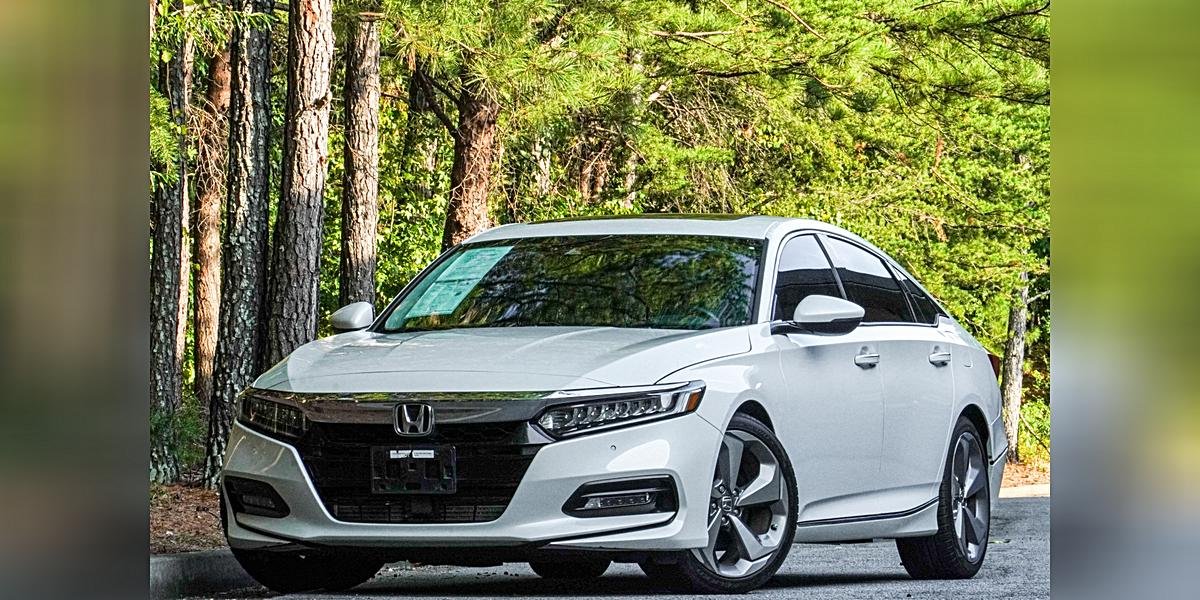

A performance saloon lives a double life. On a weekday it must carry passengers, cope with traffic, park in tight spaces, and ride comfortably over imperfect roads. On a quieter road it should still feel sharp, responsive, and special. Exterior styling for such a car has to respect both roles. Add too much, and the car becomes harder to live with and draws attention for the wrong reasons. Add too little, thoughtlessly, and the result can look unfinished. The balance lies in choosing parts that sharpen the car’s existing character rather than replacing it.
The Infiniti Q50 sits squarely in that territory. It is a refined, well-proportioned saloon with a long bonnet, a calm shoulder line, and a rear end that favours width over decoration. Owners are often drawn to its understated presence, and that is precisely what styling should protect. A coherent exterior package can emphasise width, lower the visual stance, and give the lower body a more finished line, while leaving the car’s comfort, practicality, and quiet confidence intact.
Reading the Q50 Shape Before Adding Anything
Walk around the car in daylight and look at the whole outline before focusing on any single part. The Q50’s strength is its restraint: clean surfaces, a gentle fall to the roofline, and detailing that rewards a closer look rather than demanding attention from a distance. New parts should echo that restraint. A slim front lip, side extensions that follow the sill line, and a neat rear diffuser can complete the lower body without introducing a competing visual language.
Front, Sides, and Rear as One Idea
A complete package is best understood as a single lower outline. The front component defines the nose and the way the bumper meets the road. The side components connect front and rear, lower the perceived height of the car, and give the profile a continuous baseline. The rear component frames the lower bumper and exhaust area and provides a tidy conclusion to the profile. When those three areas share a material, finish, and level of boldness, the car reads as designed rather than assembled.
Fitment, Sensors, and Compatibility Checks
Fitment is where a good styling idea either succeeds or becomes a source of frustration. Exterior parts need to follow the curves of the bumpers, wings, and sills closely, with even gaps and secure fixings. Poor fitment is visible from several metres away, and it can also create practical problems such as vibration, wind noise, or parts working loose over time. Checking compatibility by model year, body style, and trim is essential, because bumpers and trims can change during a model’s production life even when the car looks broadly similar.
Sensors and cameras deserve the same attention. The Q50 uses parking sensors, cameras, and driver-assistance hardware near the bumpers and grille, and a new component must not cover or shift those systems. Owners should identify every sensor and camera in the areas to be modified, confirm that none will be obstructed, and test relevant systems after fitting in a safe setting. Professional fitters familiar with modern driver-assistance systems are more likely to spot risks during a test fit, and any warning light or change in behaviour after fitting should be investigated promptly.
Owners comparing a infiniti q50 gtr body kit should therefore assess fit, finish, sensor clearance, and supplier support together, rather than judging on appearance alone. Clear photographs in daylight, honest descriptions, compatibility information, and responsive support matter more than dramatic marketing language. Ask about returns, replacement parts, and installation guidance before ordering, and keep records of the parts fitted for insurance, servicing, and a future sale.
See also: Benefits of Smart Contracts in Business
Care, Insurance, and Long-Term Ownership
Care for exterior trim follows the same principles as care for quality paintwork. A pH-neutral shampoo, a soft wash mitt, and a two-bucket method help reduce swirl marks in a clear coat. High-pressure washers should be used with care, especially close to edges and joints, because concentrated pressure can lift edges or force water behind a part. Drying with a clean microfibre towel helps prevent water spots, which are particularly visible on a dark, glossy surface.
Frequently Asked Questions
1. Will a full styling package suit a saloon used mainly for commuting?
Yes, provided the package is restrained, well fitted, and chosen with clearance in mind. A coherent set of front, side, and rear parts that stays close to the original outline usually integrates easily with daily driving. Very low or protruding designs demand more care on ramps and kerbs and are better suited to cars that are not used every day on varied routes.
2. How do I check compatibility for my exact Q50?
Start with the model year, body style, and trim level, and confirm whether the car has any factory styling packs or optional bumpers that could affect fitment. Photographs of the front and rear bumpers, along with vehicle identification details, can help a supplier confirm suitability. If parking sensors, cameras, or driver-assistance features are fitted, check that no component will obstruct them before ordering.
3. Should exterior parts be fitted professionally?
Professional fitting is often the safer choice for a full package, particularly where bumper removal, precise alignment, or work near sensors is involved. An experienced fitter can check alignment before fixings are tightened, test how parts sit against adjoining panels, and confirm that sensors and lights still function correctly. Keep fitting invoices and notes with purchase records for future reference.
Conclusion
Styling a performance saloon is most successful when it is treated as refinement rather than transformation. The car should still read as itself, only sharper, more coherent, and more distinctive on closer inspection. A balanced package that respects proportion, a careful approach to fitment and sensors, sensible clearance for everyday driving, and consistent, gentle care will do more for long-term satisfaction than choosing the most dramatic parts available. Owners who take time to compare finishes, confirm compatibility, and plan for daily use are most likely to enjoy a car that looks deliberate and well finished long after the initial novelty has passed.


 By